Brew & Belong: New Barista Onboarding
New hires only get one first shift. If they freeze up on a complicated order, that's the customer's first impression too.
Could a few minutes of practice fix that?
My Role
LX Designer
Audience
New hired baristas
Project Type
Scenario-Based eLearning
Duration
5–7 minute portfolio sample
Problem
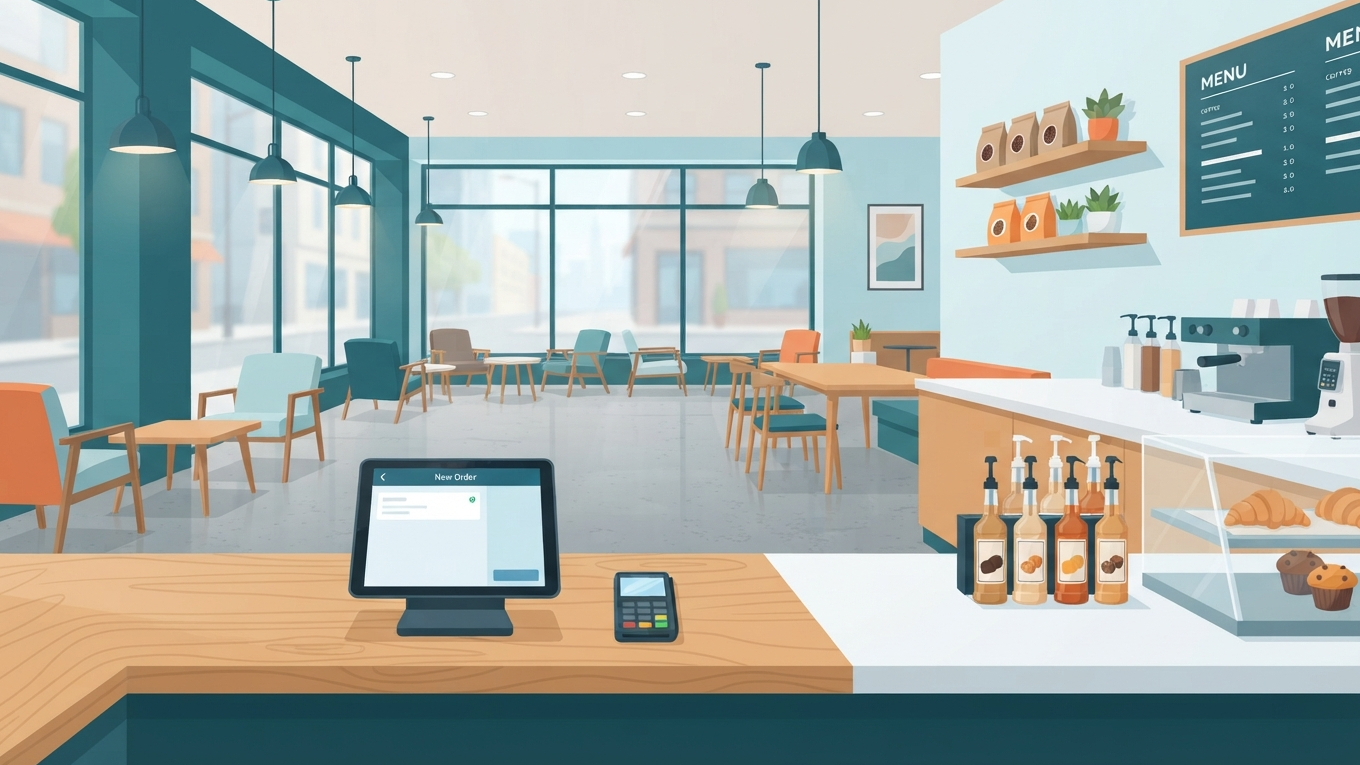
Brew & Belong, a fictional coffee shop client, wanted new hires ready for the messiest part of the job: a customer who keeps adding to their order. Training manuals cover the steps fine, but new baristas kept missing details anyway, because reading about a busy order and handling one in real time are different skills. Brew & Belong wanted a way for people to make that mistake once, somewhere it wouldn't cost them a customer.
Tools Used
Articulate Storyline 360
Articulate Storyline Storyline was the only real option once the scenario needed actual branches. A learner's choice had to lead to a different outcome, not just a different "try again" screen.
Solution
I built a short branching scenario that puts the learner behind the counter with a customer named Emma, who adds oat milk, then half sweet, then cold foam, one request at a time. However the learner responds, the scenario shows what actually happens next instead of just marking them right or wrong.
Repeat the order back, and Emma confirms it's correct. Ask a clarifying question, and the scenario credits the instinct but nudges toward the stronger habit. Skip confirming altogether, and the order comes back wrong, sending the learner to a retry with a specific reason why.
A supporting character, "Barista Buddy" Bryan, sits in an optional coffee-cup icon. Click it for a tip if you want one. Ignore it if you don't.
Microsoft Word
Before touching Storyline, I wrote out every path and every line of feedback in Word, so Bryan's tone and the outcomes stayed consistent across branches
A Look Inside the Design
Brew & Belong is a self-initiated project for a fictional client. I built it to practice branching scenario design end to end, so there's no confidentiality issue here — you can click through the whole thing below.
Design Highlights
Branching feedback that shows consequences, not scores
Every choice leads to a different outcome with Emma instead of a red X or green check. That's closer to what actually happens on shift, and it's the same idea behind situated learning: judgment sticks better when you practice it in context instead of in the abstract. A wrong guess isn't a dead end either — it sends the learner to a retry with a specific reason, which lands better than a plain "try again."
Coaching you can skip
Bryan's tips sit behind an icon, not in the flow. Click it for a second opinion, or skip it. Adult learners tend to check out when a course insists on hand-holding they didn't ask for, so I left the choice with them.
A mistake you can afford
Get a detail wrong, and the learner goes to a retry instead of a fail screen. The idea is to let someone mess up an order once, somewhere it doesn't cost Brew & Belong an actual customer.
“There isn't always one perfect response. Sometimes you'll have a few good options, and each one can lead to a different customer experience."
— Bryan, Barista Buddy”
Try It Yourself
Select View Course to try A Complicated Order for yourself.
Let’s Connect
If you're interested in seeing more examples of how I apply learning theory to design, feel free to reach out. I’d love to share additional projects and insights from my work as a Learning Experience Designer.
www.linkedin.com/in/marilu-oliva/